One Prompt, Nine Variants: How Custyle's Crew Riffs on a Single Idea
Custyle Picks
Reviews & Comparisons · Jun 28, 2026·10 min read
One Prompt, Nine Variants: How Custyle's Crew Riffs on a Single Idea
TL;DR: One prompt, one answer is a ceiling, not a floor. With one prompt multiple variants AI, a single idea fans out into many directions you can compare. Custyle does this with a Crew of nine AI agents — each one a specialist that riffs on your idea its own way. You get nine distinct, merch-ready takes from a single line of text.
You type one idea. Most tools hand you one picture and ask you to settle.
That is the trap. One prompt, one answer feels efficient. It is actually a ceiling. The first thing any AI shows you is rarely the best thing it could show you — it is just the fastest.
This is a guide to the other way: one prompt multiple variants AI, where a single idea becomes a set of options you can hold side by side. And it is a look inside how Custyle's Crew — nine AI agents, each a specialist — turns one line of text into nine distinct, merch-ready takes.
Table of Contents
- Why one output is a ceiling
- The shift the industry already made
- Why a crew beats one big model
- Meet the nine
- Walk one prompt through the Crew
- How to choose among nine
- FAQ
Why One Output Is a Ceiling
Here is the thing about a single result. You cannot judge it against anything.
Show someone one design and they ask, "is this good?" Show them three and they ask a sharper question: "which of these is best, and why?" The second question is the one that gets you somewhere.
Design teams know this. Testing several options gives you something a single draft never can — an alternative to compare against, and real data on what lands. Prototyping multiple designs spreads your bets, too. You are not staking everything on one guess.
The gap between teams that get this and teams that do not is wide. Leading consumer brands test 50 to 70 creative variants a week, according to creative-testing analysis from AgilityAds. Most brands stop at two. The variant-rich teams win, because they let the work compete before they commit.
A single output is a ceiling, not a floor. Variants are not indecision — they are how you find the strongest direction faster.
For merch, this matters even more. A design that looks great on a screen can fall apart on a hoodie. Seeing one idea expressed nine ways tells you which version was actually built to be worn.
The Shift the Industry Already Made
A few years ago, "one prompt, one image" was the whole game. Not anymore.
AI image generation has moved from a single output toward a full creative flow. In the ChatGPT app, you can ask for several images or a small visual set from one prompt; developers request batches in a single API call. Some platforms now spin up to 24 variations across more than 16 models in one session, according to 2026 image-generation guides.
Why the shift? Because every model reads a prompt differently. Midjourney, Flux, and the rest each have a preferred style. Running one idea across many of them surfaces the best reading of your intent, instead of locking you into the first guess.
The lesson is bigger than image tools. For anything that involves taste — writing, strategy, design — more good options beats one fast answer. The frontier is not a better single output. It is a better set.
Why a Crew Beats One Big Model
So variants are good. But where should they come from?
You can ask one model to give you nine tries. Or you can build a team where each member is a specialist — and let them riff. Custyle picked the second path. Not one AI. A whole crew built to get your merch right.
This tracks with how serious multi-agent systems are built. A multi-agent setup breaks a big goal into smaller jobs and hands each to a dedicated agent with one skill, per agentic design-pattern guidance from MongoDB and others. Each agent can use its own approach, its own knowledge, its own tools.
The payoff is divergence with direction. One model riffing alone tends to circle the same idea. Nine specialists, each owning a different stage, pull the idea in genuinely different directions — then bring it back to one coherent result. That is the difference between nine random tries and nine designed variants.
→ Related: Meet the Custyle Crew
Meet the Nine
The Crew is Custyle's AI pipeline, told as people. Nine agents, each responsible for one part of turning your idea into a real product. A creative team, not a tech stack.
- Vibbi — the Design Lead. Captain of the Crew. Turns a messy idea into a clear creative path.
- Pia — the Preference Reader. Picks up your taste, your references, the leanings you did not spell out.
- Nova — the Concept Shaper. Turns a loose prompt into sharper directions with a point of view. This is where the variants are born.
- Ink — the Artwork Maker. Builds the visual language and the details that make a design feel intentional.
- Bolt — the Production Brain. Figures out the best way to build each one — the right technique, the right material.
- Grid — the Layout Specialist. Handles composition, hierarchy, spacing, and merch balance.
- Axis — the Product Architect. Finds the right product form for the idea — tee, hoodie, tote, or something else.
- Moxy — the Try-On Director. Shows how each design lands on a real body.
- Lumi — the Scene Stylist. Builds the mood and context around the finished piece.
Nine roles. One idea moving through all of them. By the end, that single prompt has been read, shaped, drawn, built, placed, and styled — nine different ways.
Walk One Prompt Through the Crew
Theory is cheap. Watch it work.
Say you type one line: "a retro sci-fi cat astronaut, kind of funny, kind of cool." That is the whole prompt. Here is how the Crew riffs.
Vibbi reads the room first. Funny and cool pull in different directions. Rather than flatten them, Vibbi sets a path that holds both — playful, but with taste. The brief is now clear without being narrow.
Pia reads between the lines. "Retro sci-fi" plus "cool" is a tell. Pia leans toward faded 70s palettes, grain, a worn-paperback feel — the references you did not name but probably meant.
Nova spins the directions. This is the fork in the road. Nova does not pick one cat astronaut. Nova shapes a handful of real angles: a bold mascot badge, a vintage mission patch, a moody one-color silhouette, a comic-panel gag. Each is a different point of view on the same idea.
Ink draws each one for real. Not rough sketches — finished artwork, with the line weight and texture that make a design look made on purpose. Every Nova direction becomes a real piece.
Bolt decides how each gets built. A heavy line-art badge wants one technique. A soft faded wash wants another. Bolt matches each variant to the right way to make it, so the version you pick is one that actually survives being printed and worn.
Grid sets each on the garment. Centered chest, small left-chest crest, full back panel — placement changes everything. Grid balances each design for the body, not the screen.
Axis finds the form. The bold mascot wants a tee. The moody silhouette might land harder on a hoodie. Axis fits each idea to the product that suits it.
Moxy puts them on a person. Now you see each variant worn, not floating on a flat mockup. The gag tee and the mission patch read completely differently on a body — and now you can tell.
Lumi sets the scene. A little mood, a little context, so each option looks like a real thing in the real world.
One prompt went in. Nine finished, comparable variants come out — each one read, shaped, drawn, built, placed, and styled by a specialist. That is one prompt multiple variants AI, done as a team instead of a single guess.
→ Related: How prompt-to-product works
How to Choose Among Nine
Nine options is a gift, not homework. The point is not to make you a designer. It is to let the work compete so the winner is obvious.
Three quick filters help:
- Gut first. Which one makes you smile before you think? That reaction is data.
- Use second. Wearing it daily, gifting it, selling a drop — different goals favor different variants. The loud mascot sells; the subtle crest wears.
- Body last. Trust the try-on view over the flat art. A design earns its spot once it looks right on a person.
The Crew does the divergence. You do the deciding. That split is the whole idea — nine takes mean your taste picks the winner, instead of settling for the first thing an AI happened to produce.
FAQ
Can one AI prompt really generate multiple design variants?
Yes. Modern tools have moved from one prompt, one image toward batches of options. You can request several images from a single prompt in most major apps, and platforms now generate dozens of variations across multiple models in one session. The aim is a set you compare, not one answer you accept.
Why use multiple AI agents instead of one model?
A multi-agent system splits a big goal into smaller jobs and gives each to a specialist. Each agent uses its own approach and tools, so the variants diverge in genuinely different directions instead of circling one idea. You get richer options, then a single coherent result — the reason Custyle runs a Crew of nine.
How many design variants should you actually compare?
More than two. Leading consumer brands test 50 to 70 creative variants a week, while most stop at two — and the variant-rich teams win. For a single merch idea, a handful of distinct directions is enough to judge well without drowning in choice. Custyle's Crew lands on nine.
What makes a design "made for merch" and not just a nice image?
A merch-ready design survives being built and worn. That means the right technique and material, balanced placement on the garment, and detail that holds up off-screen. Custyle's Crew handles each of these — Bolt for build, Grid for placement — so the variant you pick was shaped for a product, not just a screen.
Do I need design skills to use this?
No skills needed. You describe a vibe in plain words — a feeling, a reference, a half-formed idea. The Crew reads your intent and turns it into finished, comparable variants. You stay the one with taste; the Crew does the making.
The Takeaway
One prompt, one answer asks you to settle. One prompt multiple variants AI asks you to choose.
Custyle's Crew of nine takes a single idea and riffs on it nine ways — read by Pia, shaped by Nova, drawn by Ink, built by Bolt, placed by Grid, formed by Axis, worn through Moxy, styled by Lumi, and led by Vibbi. You bring the vibe. They bring the options. You pick the one that was always yours.
One idea. Nine ways to see it. Made real.
Ready to make something?
Turn your ideas into real merch with AI. No design skills needed.
Start with a vibeCustyle Picks
Reviews & Comparisons · Jun 28, 2026·10 min read
Further Reading
Explore all →
Inside Moxy & Lumi: How Custyle Stages Your Product Before You See It
Moxy and Lumi are the presentation layer of the Custyle Crew — Moxy shows how your merch lands on a real person; Lumi builds the mood, context, and atmosphere around what you made.
Read more →
Creator Merch Case Study: How to Build a Merch Line in One Afternoon
A creator merch case study you can copy: real benchmarks (0.5–2% conversion, $68 AOV), an hour-by-hour afternoon build, and a fill-in template for your first drop.
Read more →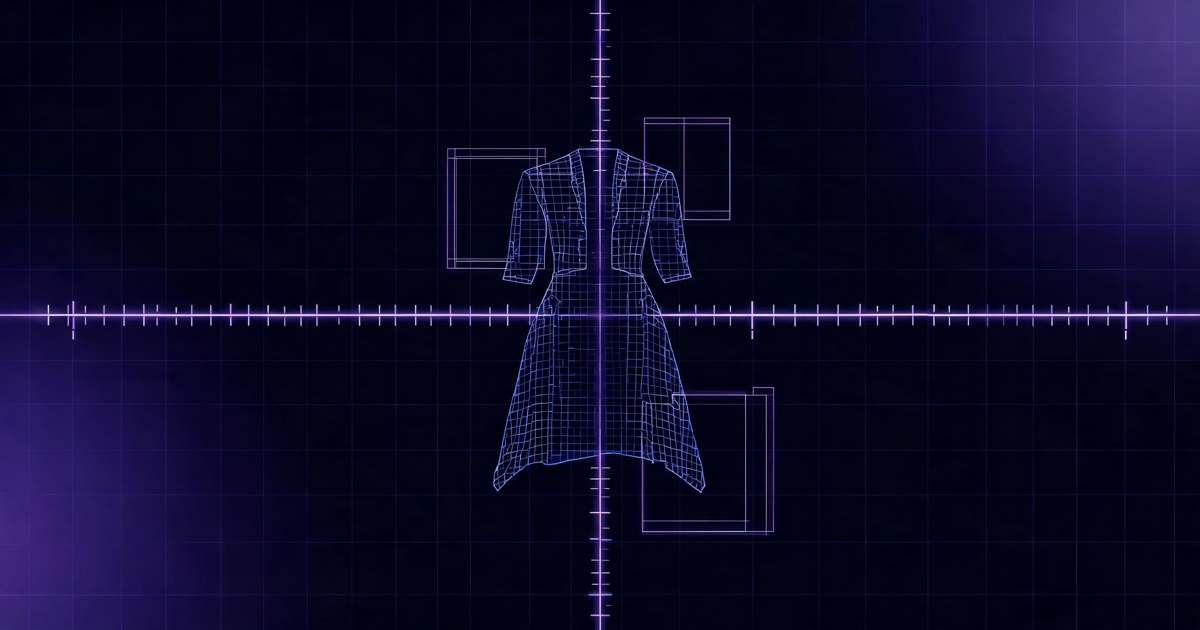
Inside Axis & Grid: Custyle's Form-and-Composition Crew
Axis and Grid are the structure layer of the Custyle Crew — Grid gets composition, spacing, and placement right; Axis finds the right product form your idea should live on.
Read more →
Inside Bolt: The Production Brain That Picks Materials Without Asking
Bolt is the AI production brain of the Custyle Crew — the agent that picks the process, material, and build quality for every design. Here is how.
Read more →